If your district serves English learners, you’ve likely seen the words “Title III” on a budget line without fully unpacking what they mean for daily school life. Here’s a plain-language breakdown of the funding and one practical way schools are putting it to work: family literacy book kits from Lectura Books.
What Title III Actually Funds
Title III, Part A of the Every Student Succeeds Act (ESSA) provides federal dollars to help English learners (ELs) reach English proficiency while meeting the same academic standards as their peers. It’s supplemental funding, meaning it has to add to what a district already provides, not replace it.
Districts receive an allocation based on their EL student counts, and in many states that comes out to roughly $80–$100 per EL student, with a minimum grant threshold that sometimes pushes smaller districts into consortium agreements with neighboring schools.
Beyond direct instruction, ESSA explicitly names one use for these funds that’s easy to overlook: parent, family, and community engagement activities for EL students. This isn’t a footnote. The law treats family involvement as core to helping ELs succeed, not an extra.
Why Family Engagement Is Written Into the Law
Research on emergent bilingual students consistently points to the same conclusion: literacy gains stick when the home reinforces what happens at school. A child who only encounters books during the school day is missing hours of potential practice, and parents who don’t yet read fluently in English are often left out of that process entirely. Title III’s family engagement provision exists precisely to close that gap, funding programs that put literacy tools directly into homes.
Where Family Literacy Book Kits Come In
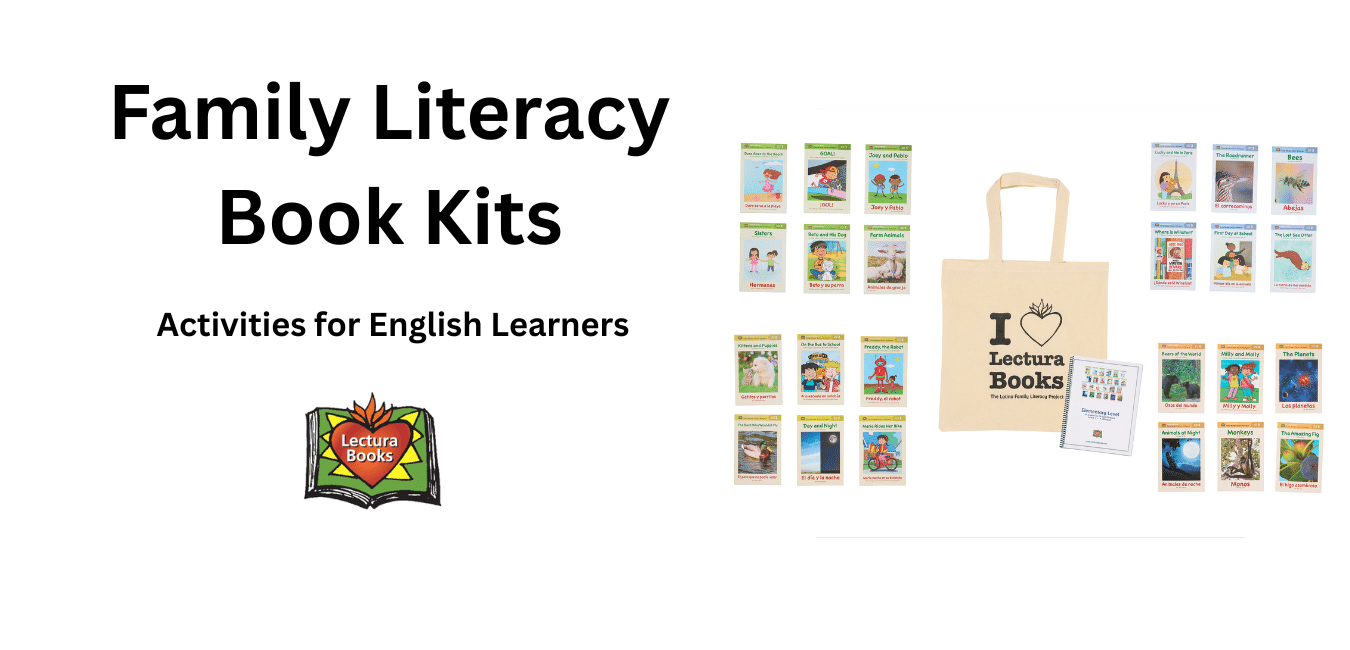
This is where a resource like Lectura Books becomes a natural fit for Title III spending. Lectura Books publishes bilingual children’s books with English and Spanish text side by side, built specifically around the idea that parents and children should be reading together, regardless of which language a parent feels most confident in. A book kit built around this model typically includes:
- Bilingual picture books that let a Spanish-speaking parent read aloud confidently while a child builds English vocabulary
- Discussion prompts or activity guides for a home reading routine
- Materials families can keep, building a home library over time rather than a one-time checkout
Because the books are genuinely bilingual rather than English-only with a glossary, they don’t require a parent to already know English to participate. That’s the detail that makes them usable for family engagement funding specifically, since the goal is to bring the whole family into the process, not just the student.
How Schools Can Put This Into Practice
A few practical starting points for districts exploring this:
- Confirm with your Title III coordinator that family literacy materials fall under your district’s approved use-of-funds plan.
- Pilot kits with one grade band or EL cohort before scaling district-wide.
- Pair kit distribution with a family literacy night so the first read-together happens with support in the room.
- Track simple engagement data (books returned, family attendance) to support renewal applications.
Title III dollars are limited, but family literacy kits are one of the more direct ways to turn that funding into something a family actually holds in their hands at home.